
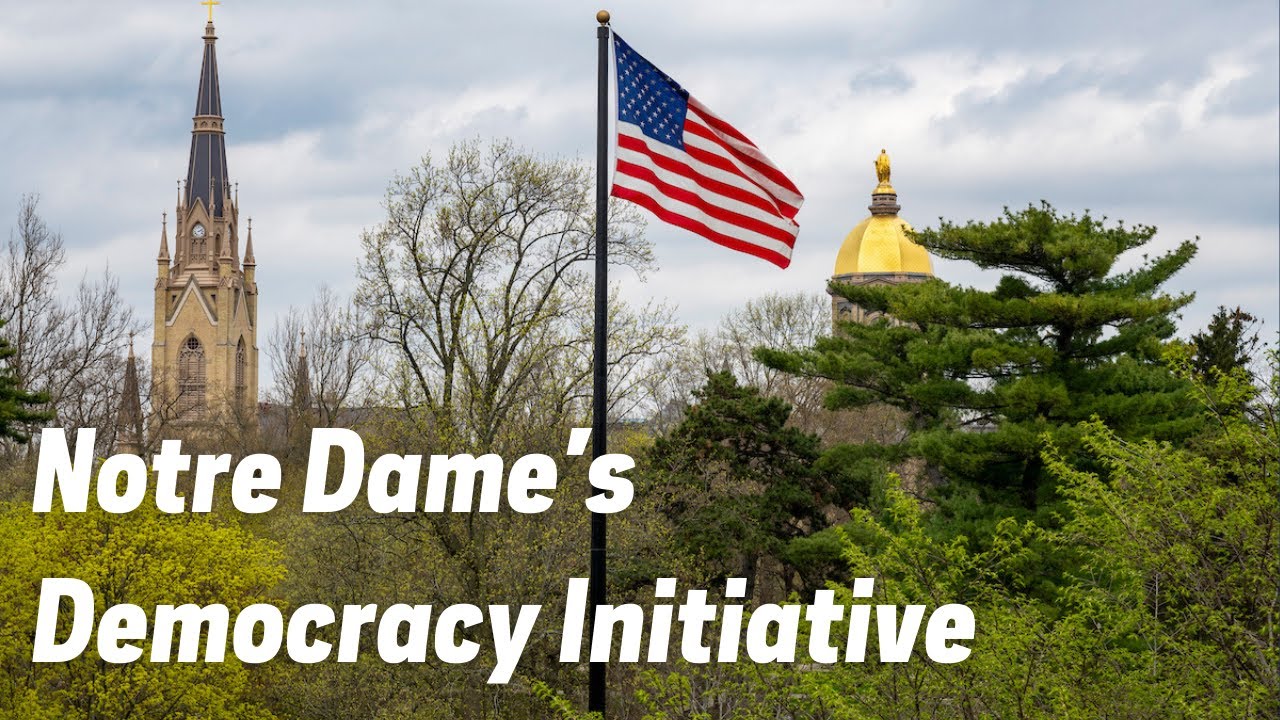
Democracy is in crisis at home and abroad. Polarization is high, trust is low, and public discourse is toxic. At a time when many universities are grappling with their role in American democracy, Notre Dame is uniquely situated to respond to this crisis. The Notre Dame Democracy Initiative will establish Notre Dame as a leader in the study of democracy both in the U.S. and worldwide, as a convenor for conversations about and actions to preserve democracy, and as a model for the formation of civically engaged citizens and public servants. This University-wide initiative bridges research, education, and policy work across multiple units and will extend beyond campus to policymakers and federal agencies in Washington, D.C.
Status Update
The Democracy Initiative made significant investments in our community, welcoming the second cohort of undergraduate Democracy Fellows and supporting national conferences hosted by the Rooney Democracy Institute and the Kellogg Institute. These investments, together with the Initiative's 67 funded Democracy Catalyst Grants, are sustaining and promoting dozens of long-term research projects.
The multi-year Democracy Catalyst projects include $2 million in funding to more than 100 scholars across five of Notre Dame's colleges and schools. These investments support new projects led by Notre Dame faculty and graduate students that closely align with the mission of the initiative in three areas — research, convening, and education and formation.
The initiative’s signature series, Democracy Talks, provided accessible and timely discussions of current events to the Notre Dame community, attracting hundreds of participants and featuring talks from ambassadors, deans, career prosecutors, and analysis from center directors on campus. A September talk with Governors Spencer Cox of Utah and Michelle Lujan Grisham of New Mexico discussed ways to depolarize politics in the United States.
These investments, key faculty recruitments, and new policy and academic partnerships show how, after just one year, Notre Dame is positioned as a leading institution for studying and strengthening democracy.

Kollman's distinguished record of scholarship includes award-winning books and journal articles, millions in external research funding, and key contributions to the development of major publicly available datasets used by researchers around the world.

More than 100 senior scholars, elected officials, political party leaders, and public policy practitioners convened on the topic “What can depolarize rural/urban politics?”

With the support of a $55 million gift, the Rooney Democracy Institute, formerly known as the Rooney Center for the Study of American Democracy, will advance Notre Dame’s role as a national and global leader in democracy scholarship and as a convener of bipartisan conversations about the future of democracy.
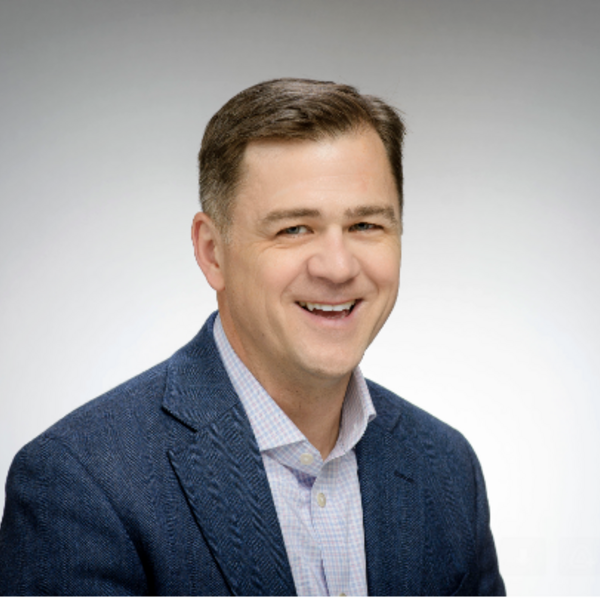
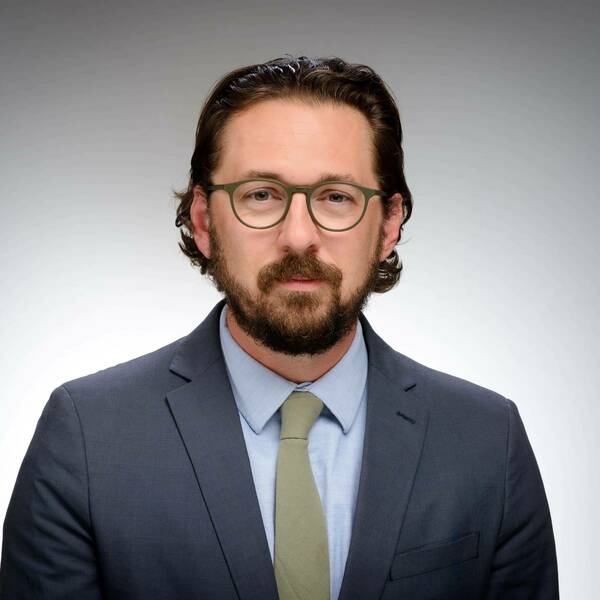
Additional partners will be added as work on the initiative continues in the coming months and years.

May 12, 2026
For Notre Dame’s David Campbell, a political scientist focused on the role of religion in American democracy, the rebuke — one Vance has since doubled down on — is at once stunning and predictable. Stunning, Campbell said, given “the defining characteristic of Catholicism — the reason Martin Luther split from the church — is the role of the pope” as the preeminent source of God’s word.
April 30, 2026
David E. Campbell of the University of Notre Dame is doubtful about dramatic effects from Trump’s tussle with the Holy See. A professor of American Democracy and director of the Notre Dame Democracy Initiative, he said: “There’s no reason to expect that it will have any effect on midterms. Trump is not on the ballot, and it’s a long way from now to November.”